How to Use Promotional Products Effectively
Promotional products aren't just freebies you hand out at trade shows and hope for the best.
85% brand recall at a cost per impression as low as a tenth of a cent – digital ads manage just 9%, according to research from the Advertising Specialty Institute. The difference between promotional merchandise that drives results and items that end up in the bin comes down to planning.
Therefore, when used strategically, they're one of the most cost-effective marketing tools available – delivering better brand recall than digital ads at a fraction of the cost per impression.
The difference between promotional merchandise that drives results and branded items that end up in the bin comes down to planning: clear goals, the right products, smart distribution, and actual measurement.
This guide covers how to get all four right.
What Goals Should You Set Before Ordering Promotional Products?
Define what you're trying to achieve before you choose a single product – your goals dictate everything from item selection to distribution strategy.
Promotional products can serve several different objectives, and the approach for each looks quite different:
- Brand awareness works best with high-volume, practical items distributed broadly – think pens, tote bags, or drinkware at events where you're reaching new audiences.
- Customer retention and loyalty call for higher-quality items given to existing clients at meaningful moments – contract renewals, project completions, or annual thank-you gifts.
- Lead generation requires products tied to a specific action, like collecting contact details at a trade show booth or driving traffic to a landing page via a QR code on the item.
- Employee engagement focuses on items that build team culture and pride – quality branded apparel, welcome kits for new starters, or recognition gifts for milestones.
Get clear on your goal first. A cheap pen makes sense for broad awareness at a conference. It makes no sense as a thank-you gift to a client who just signed a major contract.
How Do You Choose Products That Align With Your Brand?
Choose practical items people will actually use – the more often a product gets used, the more impressions your brand receives.
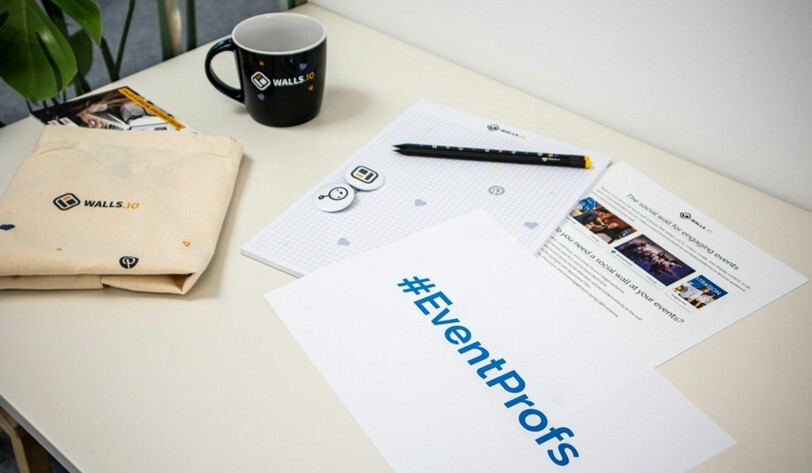
The promotional products that deliver results share a few common traits: they're useful, they're of high quality, and they make sense for the audience receiving them.
Match the product to your industry and brand identity.
A tech company handing out branded USB drives or wireless chargers reinforces their positioning. The same company that gives out stress balls sends a confusing message. Think about what your recipients actually need, and what reflects well on your business.
Prioritise usefulness over novelty.
57% of consumers keep promotional products because they're useful in daily life, according to PPAI research.
Drinkware, bags, apparel, and tech accessories top the retention charts – outerwear alone generates over 6,000 impressions per item because people actually wear it.
Quality matters more than quantity.
A single well-made item that someone uses for years beats ten cheap items that end up in the bin within a week. This is especially true for client-facing gifts where quality reflects directly on your brand.
Go subtle with branding.
The most effective promotional items feel like a gift, not a billboard. A discreet logo on a premium drink bottle gets used in public. A giant logo splashed across a cheap t-shirt gets worn to mow the lawn – if it gets worn at all.
Where Should You Distribute Promotional Products?
Match your distribution channel to your goal – trade shows for lead generation, customer touchpoints for retention, and employee programs for engagement.
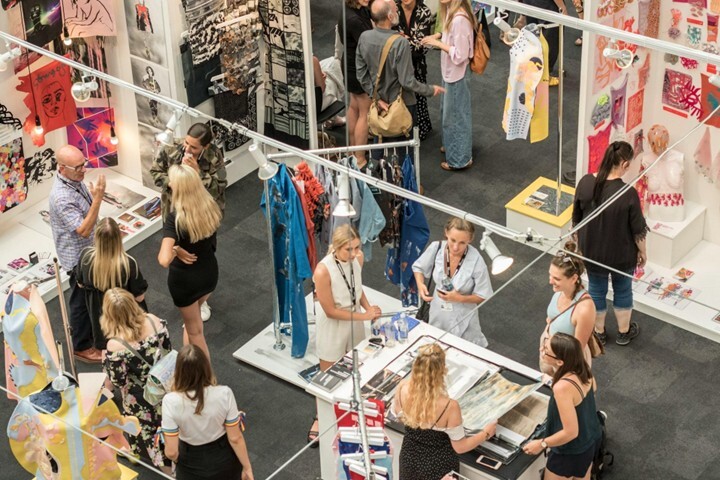
The same product can deliver completely different results depending on where and how you distribute it.
Trade Shows and Events
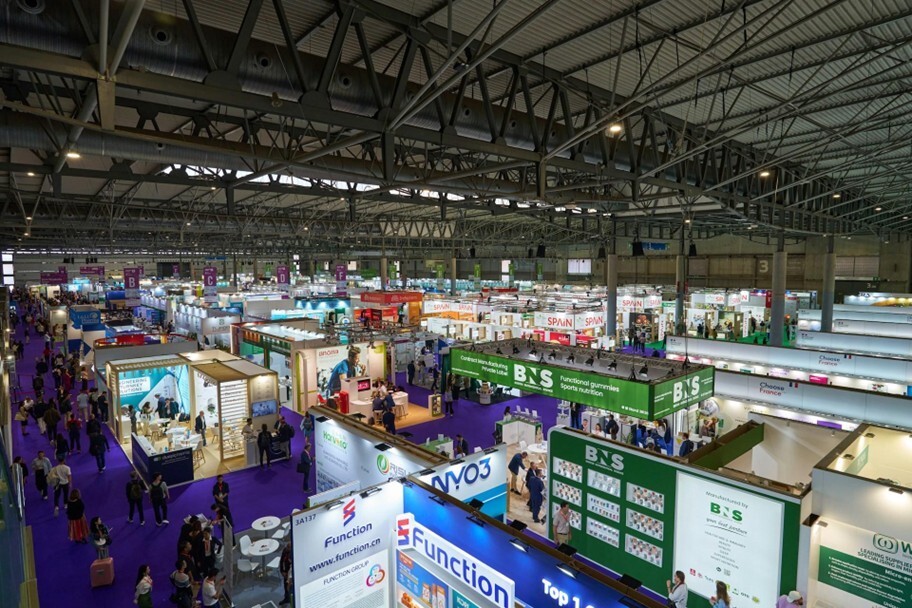
Events remain one of the most effective channels for promotional merchandise. With 81% of trade show attendees having buying authority, you're reaching decision-makers in an environment where they're actively looking for solutions.
Use promotional giveaways as conversation starters rather than passive handouts. A quality item given after a genuine conversation is worth far more than hundreds of pens grabbed from an unattended bowl. Consider tiered giveaways – something small for general visitors, something premium for qualified leads who engage properly.
Customer Touchpoints
Strategic moments in your customer relationship deserve recognition:
- Onboarding: A welcome kit when a new client signs on sets the tone for the relationship
- Thank-you gifts: Acknowledging completed projects or contract renewals builds loyalty
- Milestone recognition: Anniversary gifts or celebrating achievements together
These touchpoints benefit from higher-quality items since you're reinforcing an existing relationship rather than building awareness.
Employee Programs
Promotional products work internally too. Quality branded merchandise for onboarding, team events, or recognition programs builds culture and pride. Research shows 73% of workers say company promotional products boost their sense of belonging.
Direct Mail Campaigns
Adding a promotional item to direct mail increases response rates significantly.
A study by Silver Marketing Group found that including a promotional product in a mail promotion increased response rates by 50% compared to mail without a tangible item – and using promotional products as an incentive to respond generated four times as many responses as a sales letter alone.
The key is relevance: the item should connect to your message and offer genuine value.
Social Media Giveaways
Running competitions where followers can win branded merchandise drives engagement and extends reach. The trick is choosing items desirable enough that people actually want to enter, while ensuring they align with your brand.
Why Do Promotional Products Work So Well?
Promotional products deliver brand recall rates that digital advertising can't match – and at a cost per impression that makes most marketing channels look expensive.
The data on promotional products is genuinely impressive, and it explains why Australian businesses spend over a billion annually on branded merchandise.
Brand Recall
Research shows 85% of consumers remember the brand on a promotional product they've received. In fact, data from the Advertising Specialty Institute confirms this trend. By comparison, online advertising achieved just 31% brand recall according to a PPAI study.
The key is relevance: the item should connect to your message and offer genuine value.
In Australia, APPA research found 76% of consumers could recall the advertiser on a promotional product received in the past 12 months – compared to just 53% for print or TV ads.
76% of Australian consumers recalled the advertiser on a promotional product received in the past 12 months – compared to just 53% for print or TV ads. (APPA)
Longevity
Unlike digital ads that disappear the moment your budget runs out, promotional products stick around. In fact, 81% of consumers keep promotional items for more than a year, and office workers hold onto useful items for more than four years on average.
In Australia, 56% of consumers use promotional desk accessories and products weekly or more often, and keep them for an average of 13 months or more.
That's months or years of brand exposure from a single purchase.
Cost Per Impression
Here's where promotional products really shine. The average cost per impression for promotional merchandise is $0.004 – less than half a cent. Compare that to Google Ads at $4-5 per click or Facebook advertising at around $0.70-$1.72 per click.
A branded pen costing $1 generates around 3,000 impressions over its lifetime at a cost per impression of less than one-tenth of a cent, as highlighted in ASI's 2023 Ad Impressions Study.
A $10 insulated drink bottle delivers impressions at roughly one-third of a cent each.
A branded pen costing $1 generates around 3,000 impressions over its lifetime at a cost per impression of less than one-tenth of a cent. (ASI Ad Impressions Study, 2023)
That's months or years of brand exposure from a single purchase.
How Do You Measure the Success of Promotional Products?
Set measurable KPIs before you order, build tracking into your distribution, and compare results against other marketing channels.
One criticism of promotional products is that they're hard to measure. But with a bit of planning, you can track performance just as you would any other marketing activity.
Set KPIs Upfront
Define what success looks like before you start. Depending on your goals, this might be:
- Number of leads generated at an event
- Redemption rate on a unique offer code
- Traffic to a specific landing page
- Survey responses measuring brand recall
- Customer retention rates for recipients vs non-recipients
Build In Tracking Mechanisms
Modern promotional campaigns can be surprisingly measurable:
- Unique discount codes: Print a specific code on items distributed at an event, then track redemptions.
- QR codes: Link to a dedicated landing page and measure traffic, signups, or conversions.
- Custom URLs: Include a shortened URL specific to the campaign to track direct response.
- Post-event surveys: Ask leads how they heard about you and what they remember from your booth.
- Lead capture: Tie giveaways to contact collection – a scan to enter a prize draw, a form to receive the premium item.
Compare Cost Per Lead
Calculate your total investment (products, shipping, staff time, event fees) divided by qualified leads generated. Compare this against your cost per lead from other channels.
Many businesses find promotional products deliver leads at a lower cost than digital advertising, particularly for high-intent prospects at industry events.
Iterate Based on Results
Track which products perform best, which events deliver the highest-quality leads, and which distribution methods drive the most engagement. Use this data to refine your approach for the next campaign.
What Mistakes Should You Avoid With Promotional Products?
The biggest mistakes are going cheap, skipping the strategy, and failing to follow up.
A few common traps undermine otherwise solid promotional campaigns:
- Choosing cheap, forgettable items. A flimsy pen that breaks after a week damages your brand more than it helps. If the item isn't good enough that you'd be happy to use it yourself, don't put your logo on it.
- No clear goal or measurement plan. Ordering promotional products without knowing what you're trying to achieve or how you'll measure it is just spending money and hoping. Define objectives upfront.
- Over-branding. Massive logos might feel like good value for the space, but they make products less likely to be used. Subtle, tasteful branding gets more impressions in the long run because people actually use the item in public.
- Wrong product for the audience. A tech startup that gives away branded golf balls is reaching the wrong crowd. Match products to your audience's actual interests and needs.
- No follow-up after distribution. Collecting leads at a trade show means nothing if you don't follow up. Promotional products open doors – your sales process needs to walk through them.
Quick Checklist for Your Next Campaign
Before you place your next promotional products order, run through this list:
- Define your goal: Brand awareness, lead generation, customer retention, or employee engagement?
- Know your audience: What do they actually need and use?
- Choose practical, quality items: Will recipients keep and use this for months?
- Plan your distribution: Trade show, customer touchpoint, direct mail, or social giveaway?
- Add tracking mechanisms: Unique codes, QR codes, dedicated URLs, or surveys?
- Set up follow-up: How will you convert attention into action?
- Measure and iterate: Track results and refine for next time.
Ready to Make Promotional Products Work Harder?
The difference between promotional merchandise that delivers results and branded items that get forgotten comes down to strategy. Clear goals, quality products matched to your audience, smart distribution, and proper measurement turn promotional products from a cost into an investment.
If you're looking for promotional products that actually get kept and used, our team here at Brand Surge can help.
Browse our range or get in touch to talk through your next campaign – we're happy to advise on product selection, branding options, and quantities to suit your goals.
Looking for inspo?
Our blog shares practical tips and real examples to help you choose merch people actually keep.
12th Aug 2026
How to Promote a Conference: 7 Strategies to Fill Seats
Read more about How to Promote a Conference: 7 Strategies to Fill Seats
12th Aug 2026
Best Promotional Items for Small Businesses in Australia
Read more about Best Promotional Items for Small Businesses in Australia
5th Mar 2026