Trending Promotional Items for 2026: The Branded Merchandise Ideas Worth Your Budget


Australian businesses put $3.5 billion into promotional products last year. That's around 14% of everything the country spent on advertising, which makes branded merchandise a budget line rather than an afterthought at the end of a campaign.
Promotional product buying in 2026 has shifted toward fewer, more useful, more keepable items. The branded merchandise ideas gaining ground are eco-friendly products, tech accessories, premium keepable pieces, practical everyday drinkware and apparel, and design-led personalised items.
Australian businesses spent $3.5 billion on promotional products in 2025, around 14% of all Australian advertising spend.
So the useful question for the year ahead isn't what's new. It's what people keep.
Quick takeaways
- Australian promotional gifts and product spend reached $3.5 billion in 2025, roughly 14% of national advertising spend
- Five themes lead 2026: eco-friendly, tech, premium, everyday staples and design-led personalisation
- The workplace is the top distribution channel, with 35% of US consumers having received branded items at work
- 65% of consumers keep a branded product for six months or longer, and 61% of consumers remember the brand behind the last promotional product they received
- Low durability, poor design and irrelevance are the three reasons merchandise gets thrown out
- The buying shift is toward fewer, better items rather than high-volume giveaways
What's driving promotional product trends in 2026?

Promotional product buying in 2026 is moving toward fewer, more useful, more keepable items. Australian businesses spent $3.5 billion on promotional products in 2025, around 14% of all Australian advertising spend, according to Oxford Economics research for APPA and PPAI. At that scale, buyers select on everyday usefulness rather than novelty.
Four forces sit behind the trending promotional items of the past twelve months.
Usefulness comes first now
Buyers ask what the recipient will actually use before they ask what it costs per unit. That single change in order explains most of what follows. By becoming a valuable part of a consumer's day, you stay in their minds in this already competitive market.
Statistics show that 72% of people associate branded merchandise with positive emotions such as pride, belonging or gratitude. When you also consider that 42% of consumers visit a brand's website after receiving the product, you can see why this is so important.
Sustainability is an expectation, not an upgrade
Lower-waste options get requested as standard. Suppliers who treat them as a premium add-on are answering a question nobody is asking any more.
Hybrid work changed what gets used
People move between two workplaces, so items that travel do the work. Charging accessories, bottles and bags come along. A branded notepad in a drawer at an office somebody visits twice a month does not.
Design and digital connection decide recall
Finish is what makes an item keepable, and QR codes printed on merchandise now tie a physical giveaway to a measurable action.
The last proper industry sizing, in 2018, recorded $2.2 billion in distributor sales adjusted to 2025 prices. The figure now is $3.5 billion. Branded merchandise grew while digital advertising got more expensive and more crowded, which is a large part of why marketing managers keep coming back to it.
Why are eco-friendly promotional products trending?
Eco-friendly promotional products are among the fastest-growing categories to promote your business because lower-waste options are now expected rather than requested.
PPAI's Product Power 2026 study of more than 5,000 US consumers found 68% name recycled or reusable materials as their top sustainability preference, and 49% say a brand's environmental commitment directly affects how much they trust it.
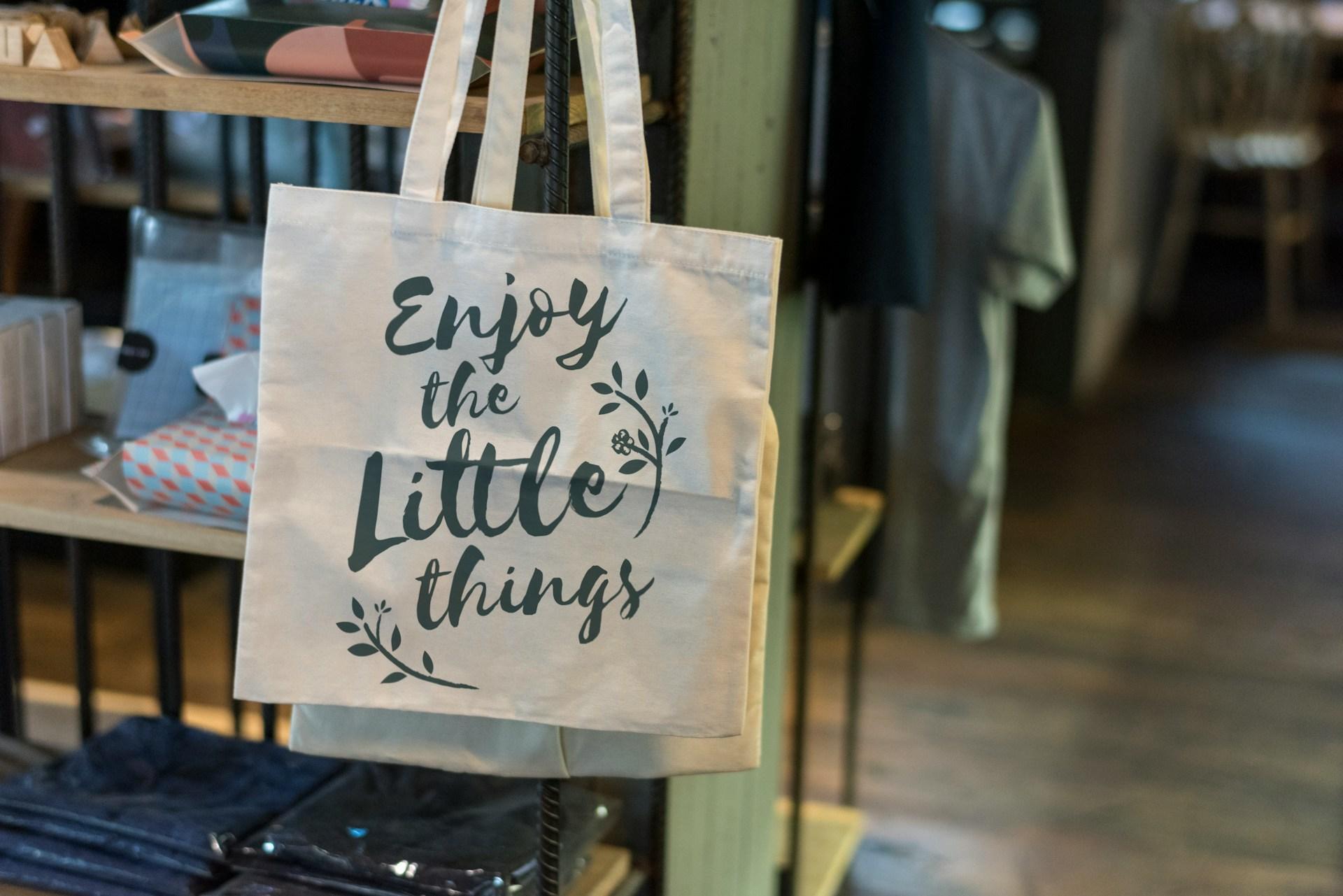
The top promotional products carrying this theme are familiar ones made differently: recycled and organic cotton tote bags, reusable bottles and keep cups, bamboo and recycled-material desk items, seed packets and plantable products, and reusable straw sets.
Three things pushed sustainable promotional products from a niche to default promo products.
Recipients expect it across the massive range of now-available products, as the figures above show. Corporate ESG reporting has pulled merchandise spend into scope, so it now faces the same questions as the rest of the supply chain.
And the disposable giveaway has fallen out of favour, because an item destined for landfill reflects on the brand that handed it over. More and more people simply don't want to be a part of that.
There's also a carbon argument, stronger than most people assume.
A joint ASI–PPAI study published in February 2026 found promotional products carry a carbon impact per memorised impression around eight times smaller than digital advertising.
The study was commissioned by industry bodies and its authors describe the results as directional, so treat it as an indication rather than a settled number. Per dollar spent, promo and digital come out roughly level. The advantage shows up per impression and per campaign.
Explore Brand Surge's eco-friendly promotional range for the materials and products behind this theme.
Which tech promotional items do people actually keep?
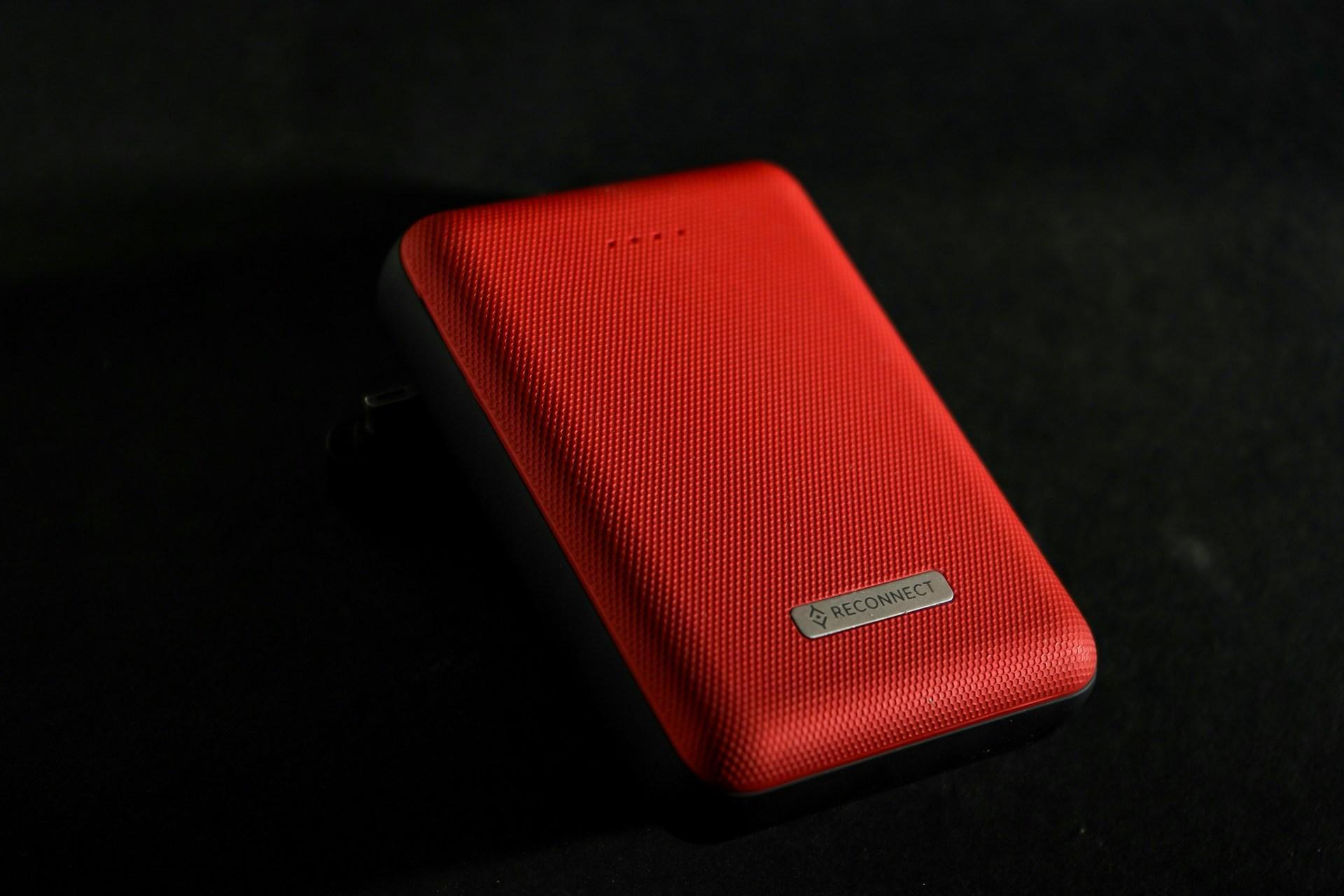
Branded tech accessories are rising because they solve a daily problem and stay in use. PPAI's 2026 study of US consumers found 38% say tech items make them see a brand as modern and relevant. Power banks, charging pads, cable kits, earbuds and phone stands all earn desk space rather than drawer space.
The best seller categories worth looking at are the ones people already carry:
- Power banks and portable chargers (wanted by 26% of consumers in 2026)
- Wireless charging pads
- Cable and adaptor kits
- Branded headphones and earbuds
- USB drives
- Phone stands and accessories.
Tech promotional items keep climbing for a practical reason.
Hybrid work means two desks and a bag, and everything in that bag needs charging. A branded power bank gets used on a commute, in a meeting and on a weekend away, so the logo is in front of the recipient repeatedly rather than once at a stand.
That repeat exposure is what separates tech from novelty. A giveaway seen once has to work hard to be remembered. A charger that lives on someone's desk doesn't.
The trade-off is that tech sets a quality floor. An accessory that charges slowly or stops working reflects on your brand every time somebody reaches for it, so this is a category where the cheaper option can cost you more than it saves.
Browse branded power banks and tech accessories to see the range.
Why are brands choosing premium branded promotional items over volume?

Brands are moving toward fewer, higher-quality items recipients would choose to keep. PPAI's 2026 research names low durability, poor design and irrelevance as the three leading reasons merchandise feels cheap, and 70% of US consumers say a durable, well-designed piece makes them feel good about the brand.
A small premium run usually outperforms a large forgettable one.
The categories here are the step up from the standard version:
- Premium drinkware, reusable water bottles, and insulated bottles
- Bottle openers
- A branded backpack, great for outdoor activities
- Quality apparel and outerwear
- Corporate gift sets and hampers
- Well-made bags
What makes this interesting is the tension driving it.
Budgets have tightened at the same time as expectations have risen, which sounds like it should push buyers toward cheaper items in greater numbers. It's done the opposite.
Faced with a flat budget, but still needing that personal touch, more marketing teams are spending the same money on fewer units rather than stretching it across a larger run.
The logic holds up against the research.
If low durability and poor design are the main reasons an item gets binned, then a large order of items that get binned delivers one impression each and then nothing.
A smaller order of items people keep delivers impressions for months. Six hundred cheap pens handed out at a conference and six dozen insulated bottles that end up on desks are not the same campaign, even at the same spend.
See Brand Surge's premium promotional merchandise for the brands and finishes in this tier.
What are the most useful everyday promotional items?

Drinkware, tote bags and apparel still lead demand, because usefulness is the main reason people keep branded merchandise. PPAI's 2026 study found 73% of US consumers use branded bottles or tumblers daily. What changed in 2026 is that buyers pick the practical staple, then add one detail so it doesn't read as generic.
The leading everyday categories your target audience is bound to love haven't moved:
- Drinkware in the form of mugs
- Hand sanitizer and wellness products (depending on target audience)
- Keep cups and promotional water bottles
- Tote bags, t-shirts and apparel
- Notebooks and pens.
These are the best promotional items by the only measure that counts, which is whether the thing is still in use six months later. And what kind of product that is really depends on your target audience and what they're interested in, and how you see your products taking care of a problem in their life.
That's the core of offering useful items.
That said, what's changed is the specification rather than the product. The staple is the same and the choices around it aren't.
A colourway matched to the brand instead of stock white. A matte or powder-coat finish instead of gloss. A heavier cotton weight on a tote. A recycled material where it's available. One deliberate decision is the difference between an item someone uses and an item someone inherits.
Custom tote bags are the clearest example of promotion, and are all the rage right now.
The short-handled, thin-cotton conference bag became a joke because it was unusable. A longer handle and a heavier weave cost a little more per unit and turn the same product into something that gets carried to the shops.
Have a look at branded drinkware and insulated bottles, promotional apparel and branded clothing or custom tote bags and branded bags for the everyday range.
How does design and personalisation decide whether merchandise gets kept?

Design quality decides whether a branded item is kept or binned, which is why brands now invest in finish and personalisation rather than making your logo visible on a stock product. PPAI's 2026 study places poor design among the top three reasons merchandise feels cheap. QR codes printed onto merchandise connect the physical item to a landing page, offer or social channel.
Personalisation is doing more work than it used to.
A name added to a notebook or a bottle changes an item from company property to somebody's property, and people don't throw away their own things.
Colour and finish choices do a similar job more cheaply – a product in your brand's actual colours reads as deliberate in a way a stock item with a logo on it never does. Easier to get artwork approval on as well.
QR codes are the development to watch, because they make a giveaway measurable for the first time.
A code printed on the item routes to a landing page, a specific offer or a social channel, and the scan count answers a question this industry has never been able to answer: whether anyone did anything after receiving the item.
No reliable published scan-rate benchmark exists, so treat it as a source of your own data rather than a guaranteed response. Just get one team member to check in and report every now and then to see what's going on. Costs very little but can give you a big return on whether your swag items are working.
How the design reaches the product matters as much as the design. The decoration methods available differ in how much colour and detail they'll carry, which is worth checking before committing to artwork.
How do you choose on-trend promotional items for your brand?
Choose on-trend promotional items by matching the item to your goal, your audience and your budget. High-visibility wearables and carry items suit brand awareness. Premium keepable pieces suit client loyalty and staff recognition. Useful low-cost items in volume suit events and giveaways.
| Your goal | What to choose | Why it works |
|---|---|---|
| Brand awareness | Wearables and carry items – apparel, caps, tote bags | Visible in public, carried past people who've never met you |
| Client and customer loyalty and gifting | Premium keepable items – insulated drinkware, gift sets | Feels like a gift rather than a giveaway. Great for existing customers. |
| Staff recognition and onboarding | Quality apparel and desk items | Used daily, in the place your logo matters most |
| Events and trade shows | Useful low-cost items in volume – pens, totes, drinkware. Great for becoming a part of people's daily errands | Easy to hand out, easy to carry away |
| Measurable campaigns | Any of the above, plus a printed QR code | Turns a giveaway into a trackable action |
Where do people actually receive promotional products?
The workplace is the biggest single channel. 35% of US consumers say they've received promotional products at work, ahead of job and career fairs (26%) and charity events (22%), according to a 2026 survey of 1,000 US consumers.
That matches the goal table above.
Staff onboarding and recruitment are where branded items change hands most often, so welcome packs and careers-fair giveaways deserve as much thought as anything you'd take to a trade show. Charity events are worth a look if community work is part of your brand.
They put your logo in front of a local crowd in a setting people already feel good about.
Timing matters less than you'd think.
The same survey found 45% of consumers prefer receiving promotional products year-round rather than at a particular time of year. So there's no need to save the whole budget for end-of-year gifting. A steady run of useful items through the year keeps your brand in view for longer.
The sequence matters more than the item.
Start with what you want to happen for your brand front, then pick the promotional material category that serves it, then choose the specification within that category. That's the secret to a great gift that works.
Teams who start with a product catalogue tend to end up with whatever was on the first page.
For the detail on getting more out of an order once you've chosen, our guide to how to use promotional products effectively covers distribution, timing and follow-up.
Browse the full promotional products range when you've got a direction in mind.
Frequently asked questions
Five categories lead in 2026: eco-friendly products made from recycled, organic or plant-based materials; tech accessories such as power banks and charging pads; premium keepable items like insulated drinkware and quality apparel; practical everyday staples including tote bags, mugs and t-shirts; and design-led personalised items, often carrying a QR code.
The common thread is usefulness over novelty.
For most brands, yes. Recipients increasingly expect lower-waste options, and PPAI's 2026 research found 49% of consumers say a brand's environmental commitment affects how much they trust it.
The case is strongest if your business has a stated sustainability commitment or an audience that pays attention to one, because the product then supports something you're already saying.
Small businesses and business partners get the most from useful, keepable items that carry the logo into daily use – drinkware, tote bags, branded pens and tech accessories.
The thing to weigh is cost per item against how long it stays in use, rather than cost per item alone. Our guide to the best promotional items for small businesses in Australia goes through the options in detail.
Event giveaways work best when they're useful, easy to carry and quick to hand out, which is why pens, tote bags, drinkware and small tech accessories dominate. Anything bulky gets left on the stand.
For the full breakdown, see our guide to the best promotional items for trade shows, including how a printed QR code connects the giveaway to a follow-up. Easily one of the most effective marketing strategies, and great for the digital age.
Cost depends on three things: the product, the order quantity and the branding method. Embroidery, screen print, digital transfer and laser engraving all price differently, and unit costs fall as quantities rise, so a single figure isn't meaningful across products.
The practical step is to request a quote for a branded order with the item and quantity you have in mind.
Ready to Update Your Branded Merchandise?
Across all five themes the direction is the same. Fewer items, chosen for what somebody will actually pick up and keep, beat a larger run of things that get left behind. Decide what you want the merchandise to do, then let that choose the product.
Looking for inspo?
Our blog shares practical tips and real examples to help you choose merch people actually keep.
27th Oct 2026
Trending Promotional Items for 2026: The Branded Merchandise Ideas Worth Your Budget
Read more about Trending Promotional Items for 2026: The Branded Merchandise Ideas Worth Your Budget
27th Oct 2026
Best Luxury Corporate Gifts for VIP Clients and Executives: What to Give and How to Brand It
Read more about Best Luxury Corporate Gifts for VIP Clients and Executives: What to Give and How to Brand It
23rd Sep 2026